


 German


Meta Beschreibung
Vergleichen Sie RAID 5 und RAID 10 für Unternehmensserver. Erfahren Sie mehr über die Unterschiede in Leistung, Datenschutz und Kosten, um die beste RAID-Konfiguration für die Unternehmens-IT-Infrastruktur zu wählen.
RAID 5 vs. RAID 10: Leitfaden für die Entscheidungsfindung im Bereich Enterprise Storage
In der modernen IT-Infrastruktur von Unternehmen sind die Datenzuverlässigkeit und die Speicherleistung entscheidende Faktoren, die die Geschäftskontinuität direkt beeinflussen.
Eines der am häufigsten diskutierten Themen in der Serverarchitektur ist:
RAID 5 vs. RAID 10 - welches ist besser für Business-Server?
Beide RAID-Ebenen werden in Unternehmensumgebungen weit verbreitet, einschließlich Server von Dell Technologies und Hewlett Packard Enterprise.
Sie dienen jedoch unterschiedlichen Zwecken, je nach Art der Arbeitsbelastung, Leistungsanforderungen und Haushaltsüberlegungen.

1Was ist RAID in Enterprise-Servern?
RAID (Redundant Array of Independent Disks) ist eine Speichertechnologie, die mehrere physikalische Festplatten zu einer einzigen logischen Einheit kombiniert, um zu verbessern:
- Leistung
- Datenredundanz
- Fehlertoleranz
- Speichereffizienz
Enterprise-Server verwenden häufig Hardware-RAID-Controller, um eine stabile und zuverlässige Leistung zu gewährleisten.
2Was ist RAID 5?
RAID 5 verwendetBlockstreifen mit verteilter Parität.
Wie es funktioniert:
- Daten sind auf mehreren Festplatten aufgeteilt
- Paritätsinformationen werden verteilt
- Benötigt mindestens 3 Festplatten
Vorteile:
- Gute Balance zwischen Leistung und Speichereffizienz
- Niedrigere Kosten im Vergleich zu RAID 10
- Kann einen Festplattenfehler überstehen
Nachteile:
- Langsamere Schreibleistung aufgrund der Paritätsberechnung
- Längere Wiederaufbauzeit
- Höhere Risiken während des Wiederaufbauprozesses
Beste Anwendungsfälle:
- Speichersysteme für Dateien
- Backup-Server
- Umgebungen mit geringer bis mittlerer Arbeitslast
3Was ist RAID 10?
RAID 10-KombinationenSpiegelung (RAID 1)undStrippen (RAID 0).
Wie es funktioniert:
- Daten werden auf verschiedenen Festplatten gespiegelt
- Dann gestreift für die Leistung
- Erfordert mindestens 4 Festplatten
Vorteile:
- Ausgezeichnete Lese- und Schreibleistung
- Hohe Redundanz und Datenschutz
- Schnelle Wiederaufbauzeit
- Sehr stabil bei schweren Arbeitsbelastungen
Nachteile:
- Höhere Kosten (50% Lagereffizienz)
- Benötigt mehr Festplatten
Beste Anwendungsfälle:
- Datenbankserver
- Virtualisierungsumgebungen
- Hochleistungsunternehmensanwendungen
- Finanzielle Systeme
4. RAID 5 vs. RAID 10: Leistungsvergleich
|
Merkmal |
RAID 5 |
RAID 10 |
|
Leseleistung |
Das ist gut. |
Ausgezeichnet. |
|
Schreiben Leistung |
Moderate |
Ausgezeichnet. |
|
Fehlerverträglichkeit |
1 Festplattenfehler |
Mehrere Festplattenfehler (je nach Spiegel) |
|
Wiederherstellen der Geschwindigkeit |
Langsam. |
Schnell. |
|
Speichereffizienz |
Hoch |
Mittelfristig |
|
Kosteneffizienz |
Besser. |
Höhere Kosten |
5. Zuverlässigkeit und Datenschutz
Datenschutz ist eine der wichtigsten Überlegungen bei der Gestaltung von Unternehmensspeichern.
Raid 5:
- Kann mit einem einzigen Festplattenfehler umgehen
- Risikoerhöhungen während des Wiederaufbauprozesses
- Nicht ideal für Umgebungen mit hohem Schreibvolumen
RAID 10:
- Bereitstellung der vollständigen Festplatten-Spiegelung
- Viel sicherer bei Festplattenfehlern
- Vorzugsweise für unternehmenskritische Systeme
Unternehmensnutzer in Banken- und Virtualisierungsumgebungen bevorzugen aufgrund ihrer höheren Stabilität in der Regel RAID 10.
6. Leistung in Virtualisierungsumgebungen
In Virtualisierungs-Workloads wie VMware oder Hyper-V wirkt sich die Speicherleistung direkt auf die Reaktionsfähigkeit der virtuellen Maschine aus.
RAID 5 in der Virtualisierung:
- mit einer Breite von mehr als 20 mm,
- Kann bei starkem E/A Leistungsengpässe verursachen
RAID 10 in der Virtualisierung:
- Hohe IOPS-Leistung
- Bessere Reaktionsfähigkeit der VM
- Stabil bei schweren Arbeitsbelastungen
Deshalb wird RAID 10 häufig in Enterprise-Virtualisierungsservern verwendet, die auf Dell Technologies und Hewlett Packard Enterprise-Plattformen basieren.
7. Kostenüberlegungen
Raid 5:
- Niedrigere Kosten pro verwendbarer TB
- Für budgetsensible Speichersysteme geeignet
RAID 10:
- Höhere Hardwarekosten
- Verbesserung der langfristigen Zuverlässigkeit und Leistung
- geringeres Risiko für Ausfallkosten
In Unternehmensumgebungen sind die Kosten für Ausfallzeiten häufig höher als die Kosten für Hardware, was RAID 10 zu einer bevorzugten Option macht.
8Welchen RAID sollten Sie wählen?
Wählen Sie RAID 5 aus, wenn:
- Das Budget ist begrenzt.
- Die Arbeitsbelastung ist überwiegend mit Leseanforderungen verbunden.
- Daten sind nicht für die Mission kritisch.
- Sicherungssysteme sind vorhanden.
Wählen Sie RAID 10 aus, wenn:
- Sie betreiben Virtualisierungsplattformen
- Sie verwenden Datenbank-Anwendungen
- Sie benötigen hohe Verfügbarkeit
- Leistung hat Priorität
- Ausfallzeiten sind inakzeptabel.
9. Empfohlene RAID-Konfigurationen für Unternehmen
Beispiel 1: Virtualisierungsserver
- RAID 10
- NVMe-SDD-Speicher
- Unterstützung einer hohen IOPS-Belastung
Beispiel 2: Dateispeicher-Server
- RAID 5
- SATA/SAS-Laufwerke
- Ausgeglichene Kosten-Leistung
Beispiel 3: Datenbankserver
- RAID 10
- Hochgeschwindigkeits-SSD/NVMe
- Optimierung der niedrigen Latenzzeit
10. RAID in modernen Unternehmensservern
Moderne Unternehmensserver von Dell Technologies und Hewlett Packard Enterprise unterstützen fortschrittliche RAID-Controller, die Folgendes bieten:
- RAID-Verarbeitung auf Hardwareebene
- Hot-Swappable-Diskenunterstützung
- Echtzeitüberwachung
- Automatische Wiederaufbaumaßnahmen
Diese Funktionen sind für die Aufrechterhaltung der Betriebszeit auf Unternehmensebene unerlässlich.
Schlussfolgerung
Sowohl RAID 5 als auch RAID 10 werden in Unternehmens-IT-Umgebungen weit verbreitet, unterscheiden sich jedoch erheblich in ihren Anwendungen.
- RAID 5 eignet sich für kostengünstige Speicherung mit moderaten Leistungsbedarf
- RAID 10 ist die bevorzugte Wahl für leistungsstarke, unternehmenskritische Systeme
Für die meisten Virtualisierungs-, Datenbank- und Unternehmens-Workloads wird RAID 10 aufgrund seiner überlegenen Leistung und Zuverlässigkeit empfohlen.
Häufig gestellte Fragen (FAQ)
Ist RAID 10 besser als RAID 5?
Ja, RAID 10 bietet bessere Leistung und Zuverlässigkeit, aber zu einem höheren Preis.
Kann RAID 5 für die Virtualisierung verwendet werden?
Es kann für leichte Arbeitslasten verwendet werden, aber RAID 10 wird für eine bessere Leistung empfohlen.
Welcher RAID ist sicherer für Geschäftsdaten?
RAID 10 bietet aufgrund der Diskenspiegelung einen stärkeren Datenschutz.
Ersetzt RAID das Backup?
Nein, RAID verbessert die Verfügbarkeit, ersetzt jedoch keine geeigneten Sicherungsstrategien.
Kontakt mit uns
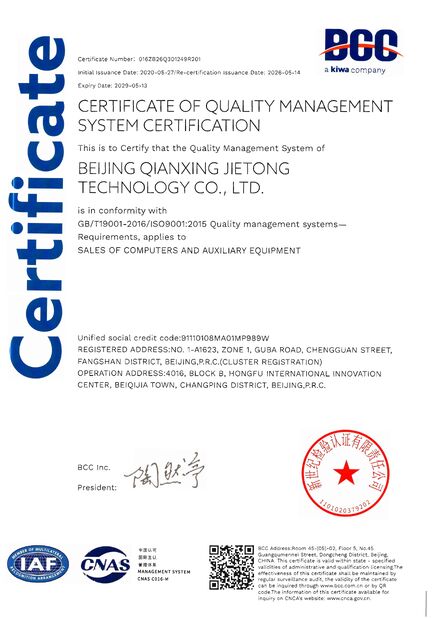
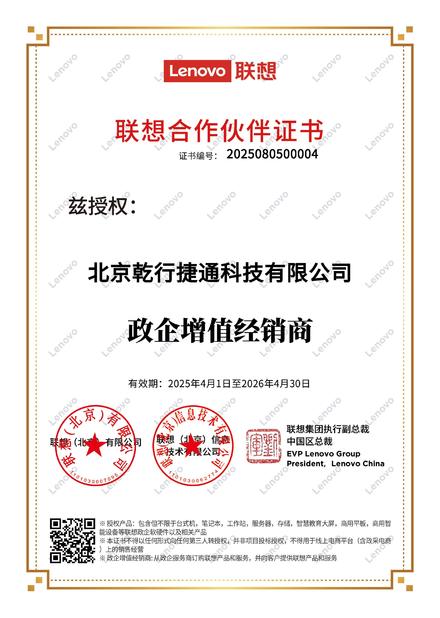
Bei Beijing Qianxing Jietong Technology Co., Ltd. werden unternehmensweite Server- und Speicherlösungen bereitgestellt, darunter:
- Dell & HPE Server-Infrastruktur
- Design und Optimierung von RAID-Speichern
- Virtualisierungsserverlösungen
- Unterstützung der Bereitstellung von Rechenzentren
Kontaktieren Sie uns noch heute, um eine maßgeschneiderte Speicher- und RAID-Konfiguration für Ihre Geschäftsanforderungen zu erhalten.
Beibei Qianxing Jietong Technology Co., Ltd.
Sandy Yang, Leiterin der globalen Strategie
WhatsApp / WeChat: +86 13426366826
E-Mail: yangyd@qianxingdata.com
Website: www.qianxingdata.com/www.storagesserver.com Die Daten werden auf der Website der chinesischen Regierung gespeichert.
Geschäftsfokus:
Vertrieb von IKT-Produkten/Systemintegration und Dienstleistungen/Infrastrukturlösungen
Mit mehr als 20 Jahren Erfahrung im IT-Vertrieb arbeiten wir mit führenden globalen Marken zusammen, um zuverlässige Produkte und professionelle Dienstleistungen zu liefern.
¢Technologie nutzen, um eine intelligente Welt aufzubauen¡Ihr vertrauenswürdiger Dienstleister für IKT-Produkte!