


 German


ASHRAE TC 9.9, das für die wichtigsten thermischen Richtlinien für Rechenzentren zuständige technische Komitee, hat ein kostenlos herunterladbares technisches Bulletin mit dem TitelTCS-Kühlmittelintegrität und Systembereitschaft- Eröffnung mit einer ungewöhnlich scharfen Warnung für ein Normen-Gremium-Dokument: "Es ist zu leicht, die Betriebs- und Gewährleistungsvorschriften für das Kühlsystem direkt auf den Chip zu verletzen".
Das im Mai veröffentlichte Bulletin, das auf dem öffentlichen Dokumentenportal des Ausschusses veröffentlicht wurde, beschreibt vier Ausfallmodi, bei denen die Leistung des thermischen Kühlsystems (TCS) von den Konstruktionsspezifikationen abweicht.Probleme bleiben während der Inbetriebnahme verborgen und tauchen Monate später als Hardwareschaden aufDie Veröffentlichung fällt mit der weit verbreiteten Einführung von Flüssigkeitskühlung direkt auf Chips zusammen, die durch hochdichte KI-Prozessoren angetrieben wird.

Dieses Thema wurde zuvor von Dell's Tim Shedd im Podcast Nr. 152 behandelt, in dem es um Kühlmittelchemie, Filtration und latente Fehler ging, die sich aus Abkürzungen bei der Inbetriebnahme ergeben.Er hat den kommenden Bulletin vorgestellt.Zu den Mitarbeitern gehören Shedd und Meraj Mohebi (Dell), Dustin Demetriou (IBM), Ashwin Siddarth (AMD), Chris Campbell (Vertiv), Vali Sorell (Oracle), sowie Ingenieure von Fluid2Chip und DLB Associates,Einbezug von Schmerzpunkten, die branchenübergreifend gemeinsam sind.
Vier Wege zum Scheitern
Zusammensetzung des Kühlmittels: Die meisten Einphasenanlagen sind für eine nominelle Propylen-Glycol-Mischung von 25% (PG25) ausgelegt. Abweichungen verändern Viskosität, Dichte, spezifische Wärme und Wärmeleitfähigkeit,Kaskadierung in einen verschobenen DruckabfallGlycol muss die Qualitätsvorschriften des TC 9.9 oder die Spezifikationen der OEM erfüllen.Das Mischen verschiedener Kühlmittel ohne Folgenabschätzung führt zu einer obligatorischen strukturierten technischen Überprüfung.
Luftbewirtschaftung: Die Einzugluft verringert die Wärmeübertragung, verursacht die Kavitation der Pumpe und beschleunigt die Korrosion, während die Inbetriebnahmezeiten verlängert werden.Dies bedeutet, dass Luftfehler Wochen nach dem Start auftreten können.. Die Anleitung legt die Lage des Luftseparators auf der warmen Niederdruckrückfahrt in der Nähe der CDU-Einlässe, die Lüftung an allen Höhenpunkten und die Vermeidung von Luftfanggeometrien fest: vertikale tote Beine,mit einem Durchmesser von mehr als 50 cm3.
Passivierung aus Edelstahl: Schweißen, Schleifen und Vor-Ort-Fertigung zerstören die schützende Chrom-Oxid-Schicht des Edelstahls.freies Eisen verunreinigt Kühlmittel und verunreinigt Kühlplatten-Mikrokanale und -turbulatorenIn dem Bulletin heißt es ausdrücklich: "Eine einzelne, nicht passivierte, installierte Komponente kann den Betrieb der Anlage gefährden".
Nenndruck des Systems: Ein vollständiges hydraulisches Druckkaskadenmodell wird empfohlen, das Steady-State-Lauf, Spül- und Fülldruck, statischen Kopf, Erleichterungsventilkonfiguration und Vorladung des Ausdehnungstanks umfasst,Zusätzlich zu Verbindungs-Abschluss-Transienten. Sie bezieht sich auf IEC 62368‐1, die eine hydrostatische Sicherheitsprüfung bei 1,5x maximalem Betriebsdruck vorschreibt.Zur Vermeidung kostspieliger Überdruckschäden an IT-Ausrüstung müssen die Einstellpunkte der Abstandsventile unter dem von der OEM veröffentlichten Wärmevorlage angegebenen Höchstdruck liegen..
Kontrollliste für den Einsatz vor Ort
Der zweite Teil enthält praktische Betriebsleitlinien, die aus der Praxis gewonnen wurden.nach großen Flüssigkeitszufüllungen und in regelmäßigen AbständenEin Vorbehalt für die Vakuumfüllung: Glykolmischungen können unter Vakuum teilweise getrennt werden;zur Bestätigung der Einheitlichkeit des Gemischs ist eine Laborprobenahme nach der Abfüllung erforderlichBei der Luftlüftung sind die automatischen Lüftungsöffnungen zu verhüllen oder abzuschließen, sobald die Schleife luftfrei ist.
Das Dokument schließt mit einer Checkliste für die Feldverifizierung, die Risiken, Validierungsschritte, akzeptable Beweise und den Ursache-Kontext abbildet und leicht in den QS-Arbeitsabläufen für die Inbetriebnahme wiederverwendbar ist.
Dieses Bulletin ergänzt die TC 9.9 ̊s 2024Flüssigkeitskühlung: Resilienzrichtlinie für den Einsatz von KaltplattenEs dient als Informationsleitfaden und übernimmt nicht die Anforderungen der OEM oder die lokalen Vorschriften.Tim Shedd's Podcast-Episode bietet eine zusätzliche Gesprächsberichterstattung über die Flüssigkeitskühlungsanlagendisziplin.
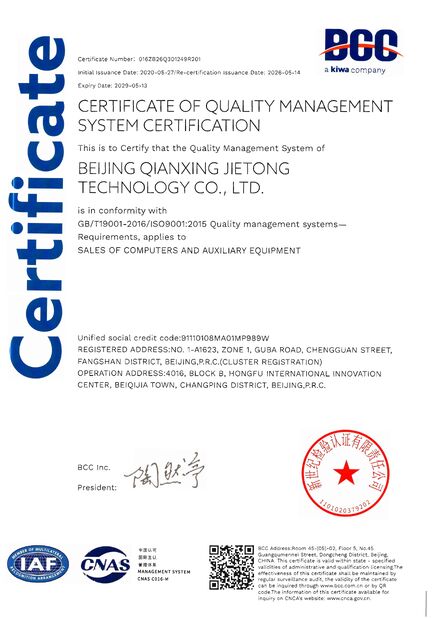
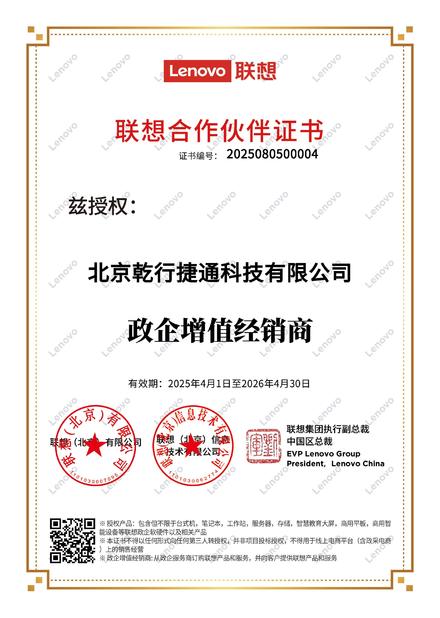
Beibei Qianxing Jietong Technology Co., Ltd.
Sandy Yang, Leiterin der globalen Strategie
WhatsApp / WeChat: +86 13426366826
E-Mail: yangyd@qianxingdata.com
Website: www.qianxingdata.com/www.storagesserver.com Die Daten werden auf der Website der chinesischen Regierung gespeichert.
Geschäftsfokus:
Vertrieb von IKT-Produkten/Systemintegration und Dienstleistungen/Infrastrukturlösungen
Mit mehr als 20 Jahren Erfahrung im IT-Vertrieb arbeiten wir mit führenden globalen Marken zusammen, um zuverlässige Produkte und professionelle Dienstleistungen zu liefern.
¢Technologie nutzen, um eine intelligente Welt aufzubauen¡Ihr vertrauenswürdiger Dienstleister für IKT-Produkte!